Museums
Safeguarding People and Cultural Assets Using High-Pressure Water Mist
Safeguarding People and Cultural Assets Using High-Pressure Water Mist
of the water volume used by traditional sprinklers is needed by high-pressure water mist systems – drastically reducing water demand and damage.
of water damage can be avoided by using high-pressure water mist instead of traditional sprinkler systems.
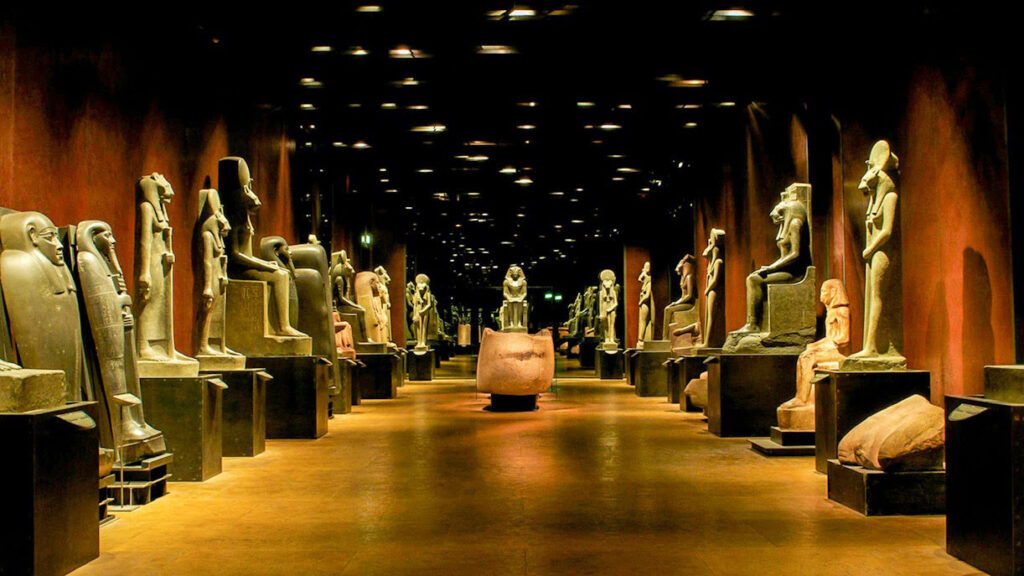
The safe evacuation of people in the event of a fire is the top priority in museums. However, it is also important to protect unique works of art and listed buildings from damage. This is why a bespoke fire protection concept is so important in museums.
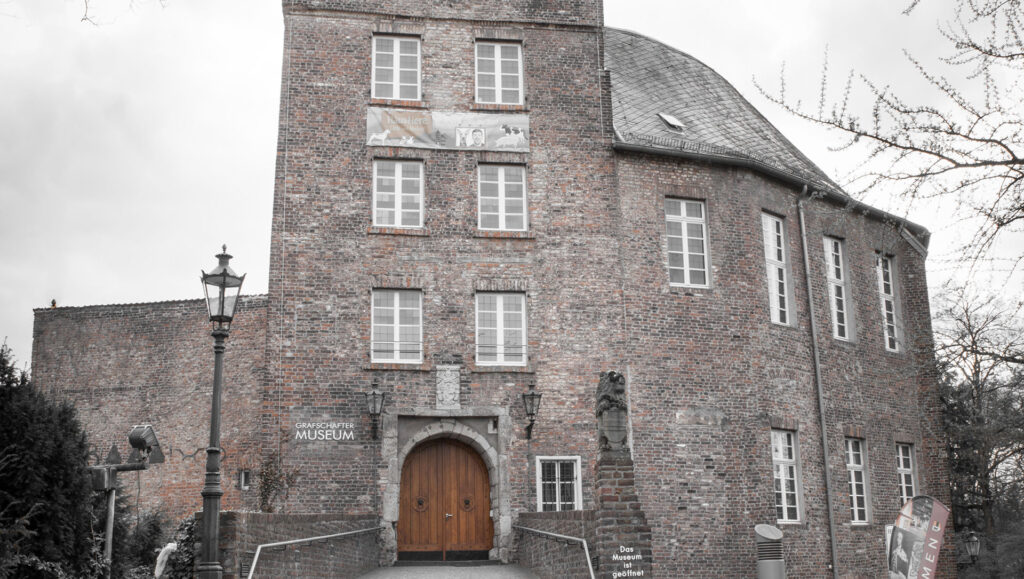
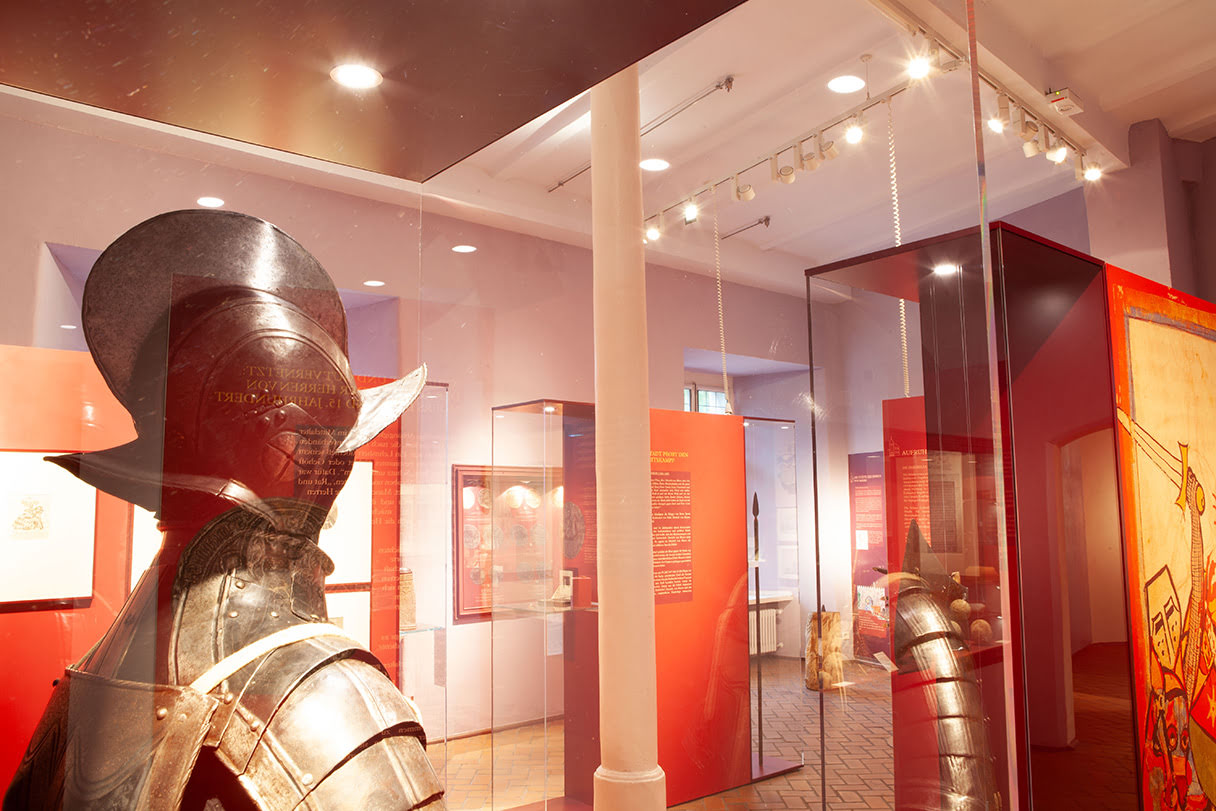
Implementing classic structural fire protection measures is often difficult and costly in particular in historic buildings. Fire protection solutions with high-pressure water mist offer decisive advantages in such cases. This technology can be easily integrated into existing structures. The small pipes can be installed discreetly to not impair the architecture and aesthetics of the exhibition.
In the event of a fire, the fine water mist spreads quickly throughout the room, immediately creating a cooling effect. This protects both the exhibits and the building while keeping water consumption to a minimum. This reduces consequential damage and makes restoration after a fire much easier.
FAQ – Fire Protection in Museums
What is high-pressure water mist?
A very fine water spray produced by high-pressure pumps and specialised nozzles. It cools the fire, reduces radiant heat and suppresses fire growth while using substantially less water than conventional sprinkler systems.
Why is it suitable for museums?
Small-diameter piping can be installed discreetly in historic or architecturally sensitive spaces. Lower overall water application reduces secondary water damage to exhibits and the building fabric.
Does it protect people and artworks equally?
For people: yes — effective cooling and reduced radiant heat improve safe evacuation. For artworks: generally preferable to conventional sprinklers because less water is used, but moisture still poses a risk to sensitive materials; site-specific planning with conservators is required.
What limitations and requirements apply?
Systems require project-specific design and must meet applicable standards and type-test evidence. Key considerations include pumps, nozzles, maintenance, water supply and balancing fire-fighting performance against potential moisture damage.