Fire Protection for Metro Stations
Protecting People and Infrastructure with High-Pressure Water Mist
Protecting People and Infrastructure with High-Pressure Water Mist
of the water volume used by traditional sprinklers is needed by high-pressure water mist systems – drastically reducing water demand and damage.
of water damage can be avoided by using high-pressure water mist instead of traditional sprinkler systems.
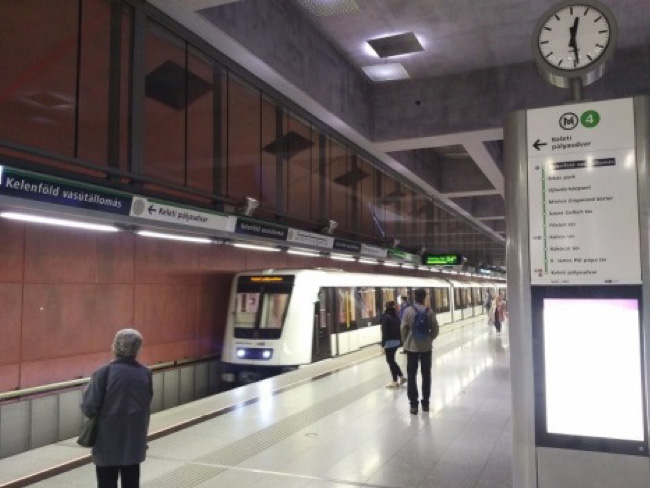
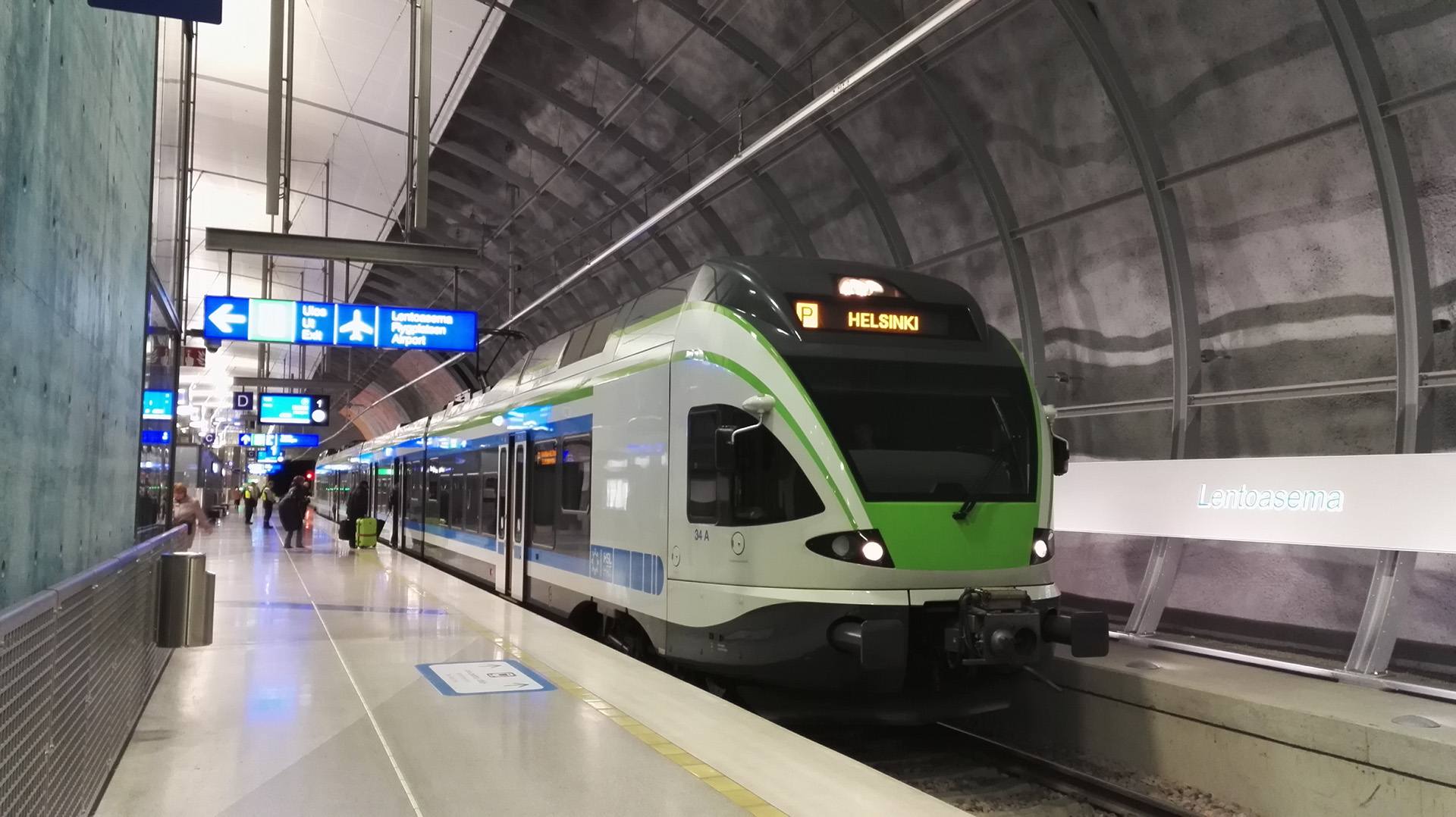
Due to confined spaces, high passenger volumes and limited escape routes, fires in metro systems pose a serious risk. Underground railways and metro stations therefore require a fire protection concept that enables a quick response and safe evacuation. In the event of a fire, platforms, escalators, technical rooms and adjacent retail areas are particularly vulnerable.
High-pressure water mist is an effective and proven solution for fire suppression in metro stations. The system generates a fine mist that cools hot surfaces rapidly, limits smoke spreaddevelopment and enables a fast and safe evacuation. At the same time, the low water usage helps to minimise secondary damage.
Another key advantage is its versatility in complex infrastructures. Both large areas and specific technical areaszones can be protected in a targeted manner. This significantly reduces operational downtime and repair costs following a fire
FAQ – Fire Protection in Metros & Underground Stations
Why is fire protection especially important in metro stations?
Metro stations have high passenger density and limited escape routes. A fire can quickly become dangerous and cause extended service disruptions.
How does a high-pressure water mist system work?
It sprays a fine mist that reduces heat and controls smoke, making evacuation safer while causing significantly less water damage than traditional sprinklers.
Where is water mist used in metro stations?
On platforms, escalators, in technical rooms, and in connected shopping areas.
What are the advantages of water mist over conventional systems?
It acts quickly, ensures safe evacuation, uses minimal water, and minimizes structural damage and downtime.