
Historical Buildings
Safeguarding People and Cultural Assets Using High-Pressure Water Mist
Safeguarding People and Cultural Assets Using High-Pressure Water Mist
of the water volume used by traditional sprinklers is needed by high-pressure water mist systems – drastically reducing water demand and damage.
of water damage can be avoided by using high-pressure water mist instead of traditional sprinkler systems.
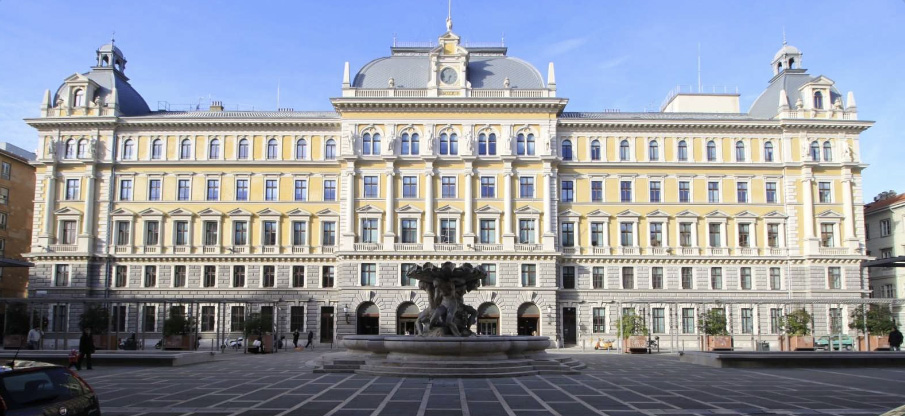
Historical buildings are characterized by historic materials, delicate surfaces and often complex constructions. These features significantly complicate fire protection. High proportions of combustible building materials, hard-to-access cavities and irreplaceable cultural assets inside these buildings impose stringent requirements on technical solutions. At the same time, all measures must be as gentle, reversible and visually unobtrusive as possible in order to preserve the historic character. An effective fire protection concept therefore pursues two objectives: secure evacuation of occupants and protection of the building and its unique contents.
In historic buildings, conventional structural fire-protection measures are frequently difficult to implement. Large pipes, extensive structural alterations or technical rooms are often rejected for conservation reasons. High-pressure water-mist systems offer a suitable alternative. These systems operate with very small water quantities and require only slim piping that can be discreetly integrated into existing structures. The fine water mist rapidly cools the fire and extracts energy without subjecting the building or exhibits to large volumes of water, thereby minimizing collateral damage. Reduced consequential damage also substantially facilitates post-fire restoration.
FOGTEC high-pressure water mist systems are particularly suitable for buildings with limited load-bearing capacity and sensitive building fabric. The low system weight and the absence of gas-tight rooms – as would be required for gas extinguishing systems – significantly reduce the structural effort involved. In historic buildings in particular, fires often occur concealed, develop little smoke, and cause deep-seated embers. The fine water mist effectively reaches these areas, as the droplets penetrate well into hidden areas due to their high pressure. This enables early intervention and reduces the risk of rapid flame spread. High-pressure water mist thus offers a powerful, monument-compatible, and economical solution for fire protection in historically valuable buildings.
FAQ – Fire Protection in Historical Buildings
What is high-pressure water mist and how does it extinguish fires?
HPWM atomises pure water at high pressure (typically around 100 bar) into extremely fine droplets. The mist cools the fire rapidly, removes heat and suppresses combustion, allowing effective extinguishing with minimal water.
Why is HPWM suitable for historical buildings?
The piping is thin and can be installed discreetly, preserving the building fabric and appearance. The low water volumes reduce collateral damage to sensitive surfaces and exhibits. Unlike gas systems, HPWM does not require gas-tight rooms.
What limitations and risks should be considered?
Historic fires often start as concealed smouldering and produce little early smoke, which complicates detection and requires careful system design. HPWM reduces many risks but does not replace a project-specific risk assessment; water damage, while reduced, cannot be completely ruled out.
How is retrofitting and approval handled?
Retrofitting normally begins with a hazard analysis and a heritage-sensitive fire protection concept, followed by detailed design of nozzles, pipework and pumps. Close coordination with heritage authorities and certified designers, plus submission of required approvals and evidence, is necessary.


