
Maximum availability for all systems
of the water volume used by traditional sprinklers is needed by high-pressure water mist systems – drastically reducing water demand and damage.
of water damage can be avoided by using high-pressure water mist instead of traditional sprinkler systems.
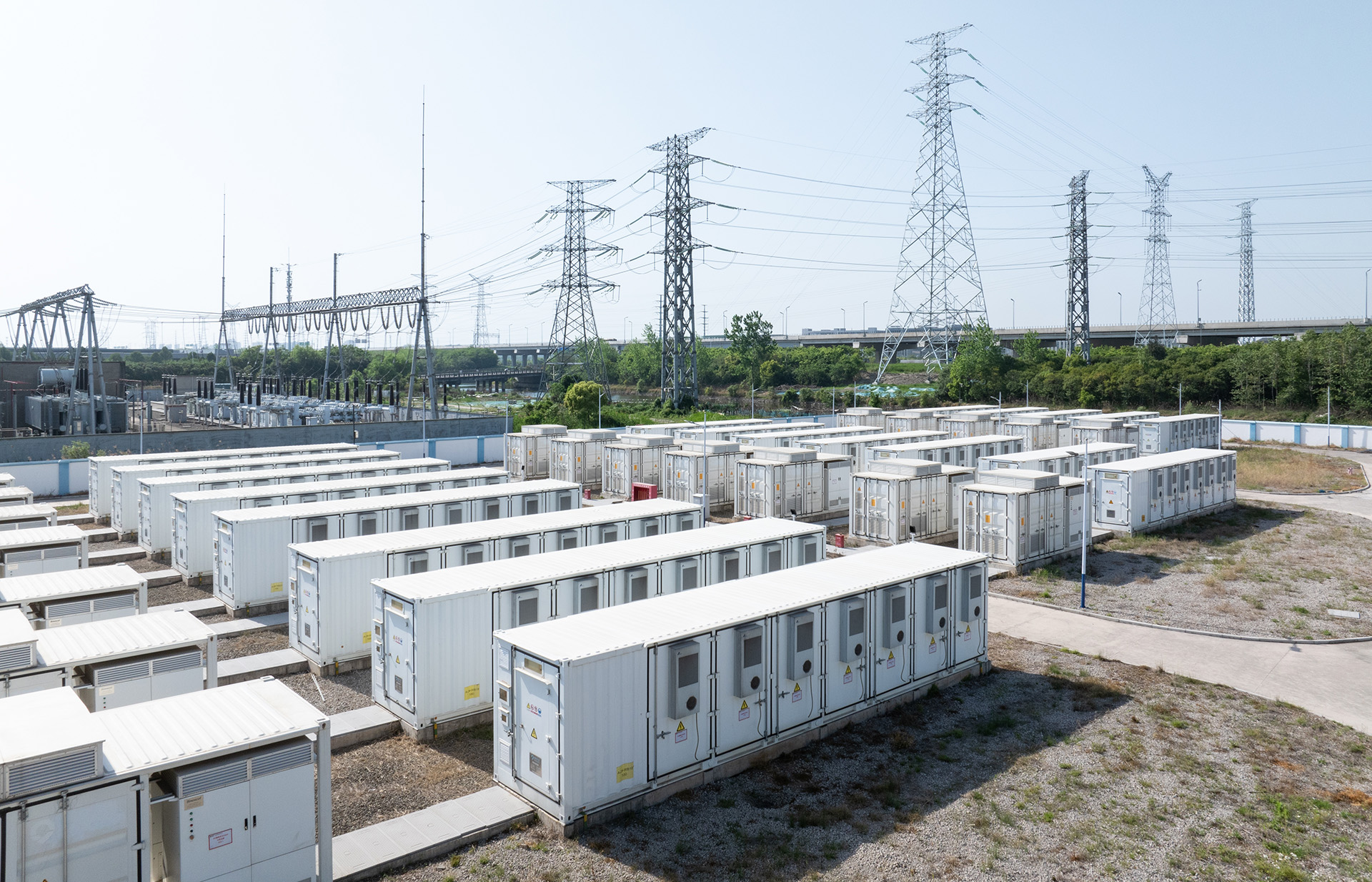
Systems that maintain power supply in a data center or ensure operation beyond the electrical grid in emergencies are critical for uptime and preventing outages. At the same time, they often represent a primary fire risk due to high energy densities and numerous combustible materials. Protecting these systems is essential, and we offer certified and/or tested solutions for all areas:
While gaseous fire suppression systems can be used upon request, high-pressure water mist systems again prove to be the ideal choice, enabling a unified, integrated protection concept across all equipment.
For battery storage and lithium-ion batteries, the effectiveness of our solutions has been demonstrated in numerous real fire tests and confirmed by independent authorities. The result is a standardized, guideline-compliant protection concept. We are happy to share our expertise and develop tailored solutions for these specialized applications.
FAQ – Fire Protection in Energy Infrastructure
What is high-pressure water mist and how does it protect energy infrastructure?
Finely atomized water (high-pressure) cools rapidly, limits fire spread, and reduces smoke and particle effects. This makes it suitable for generators, transformers, UPS systems, and energy storage units, as it lowers temperatures and helps contain fires.
Are water mist systems tested and approved for batteries (Li-ion/ESS)?
Manufacturers (e.g., FOGTEC) conduct full-scale tests and provide project-specific, tested systems. Approvals are system- and country-specific, so local regulations and standards must be verified.
How effective is water mist on lithium-ion battery fires?
Tests often show significant temperature reduction and containment of thermal propagation. Effectiveness strongly depends on system design, detection, compartmentalization, and operational procedures — it is not universally guaranteed.
What risks and planning requirements should be considered?
Key points: system-level approval is required; water can affect electrical equipment (risk of short circuits). Planning must address detection, selective shutdowns, nozzle layout, ventilation, and maintenance. In some cases, gas or hybrid solutions may be necessary as a supplement or alternative.

